

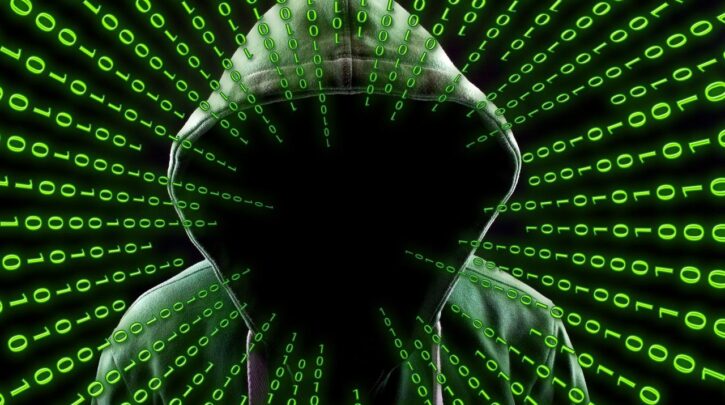
Cybercriminals are constantly on the hunt for new victims, and while they typically target large corporations to steal sensitive data, new reports indicate that content creators are now being threatened by hackers and scammers. According to a Forbes report, cybercriminals are zeroing in on YouTube creators as part of a threat campaign to spread password-stealing malware. The attacks are said to begin with phishing emails, which offer financially-valuable partnership or collaboration deals with targeted vloggers. Cyber threat analyst Mayank Sahariya says that the malware can compromise login credentials and financial data, and all YouTube creators can be a victim, whether they’re new or have a large following.
Content creators get a large volume of communication from followers and organizations who would like to work with them. So how do you protect your content without blocking legitimate offers for collaboration? If you think your content is a magnet for scammers, here’s how to strengthen your defenses against cybercriminals while growing your brand.
Find Out if Your Content is at Risk
Video blogs aren’t the only type of content that’s vulnerable to scammers. Any content that may facilitate identity theft or financial gain, or potentially provide access to secure systems can be a target. If you run a gaming, lifestyle, or beauty blog, for instance, cybercriminals can lock you out of your blog, social media, and email accounts. Then, they take over your accounts to scam your followers, creating links to fake giveaways or discount codes, and these links can lure victims into revealing sensitive information. They may also trick your friends and family members by asking them to make money transfers, or they could ask for information about your physical whereabouts.
Business email compromise remains a critical threat. Hackers gain unauthorized access to your email account, then monitor communications to intercept legitimate business deals. They often pose as brand representatives to redirect payments or send fraudulent links to your unsuspecting collaborators. This silent takeover allows criminals to operate from within your trusted network, making detection difficult. Routinely review your sent folder for suspicious messages and check account activity logs for unfamiliar login locations.
Even ‘fun’ content isn’t safe from hackers, so never assume that your lighthearted posts will be ignored by cybercriminals. For example, if you create Buzzfeed-type quizzes which are very popular among young Internet users, hackers can embed a malicious link into images, leading to a fraudulent QR code. Running a real estate blog? A hacker can create a fake listing in your page with links to capture deposits. It’s important to note that modern cybercriminals are creative and persistent, so prevent them from breaching your systems by securing external traffic to protect your content.
Implement a Firewall
A web application firewall is your primary defense against scammers and hackers as this creates a barrier between your web application and the Internet. A WAF can help distinguish your followers and potential collaborators from harmful bots. One way to know for sure if your content has bots is by looking at the comments section. If a user is posting the same comment or phrase on most of your vlog or blog posts, or if someone makes hundreds of posts per hour, you can safely assume that a bot is trying to infiltrate your system. Configure the WAF to block suspicious behavior, such as excessive requests from a single IP, and other malicious traffic before it reaches your website.
Practice Good Cybersecurity Habits
Basic cybersecurity practices can do a lot to keep your content safe. Always use strong, unique passwords for all of your accounts, and enable multi-factor authentication to make it more difficult for hackers to log in even if they have your credentials. Adjust your privacy settings and be selective about what you share publicly. If you’re a travel vlogger, for instance, avoid showing sensitive information, such as your credit card or passport details. These may show up on your vlog while you’re being filmed as you travel or pay for groceries or a meal, so cover or blur out the card or passport while you’re editing to be safe. Use a VPN to encrypt your connection, and regularly install updates for your operating system and apps to fix weak or vulnerable spots.
Cybercriminals are increasingly targeting content creators, so know if your content is at risk, and be proactive to protect your brand from scammers. For added security, consult cybersecurity professionals to know the best solutions to protect your blog, vlog, or social media pages from hacking, phishing attempts, or ransomware scams.