

The importance of ensuring fire safety equipment in any given business is to prevent the loss of life and property. Fire may originate without warning and the presence of properly functioning safety devices can ensure that minor fires do not escalate into major incidents. Most businesses however find it difficult to sustain these systems. Safety needs and budgeting do not always go hand in hand but with proper planning and prudent tactics, you can maintain your fire safety gears in great condition without spending beyond your budget. This paper discusses some practical solutions to effective management of fire safety equipment without being too expensive.
Learning about the Value of Routine Maintenance
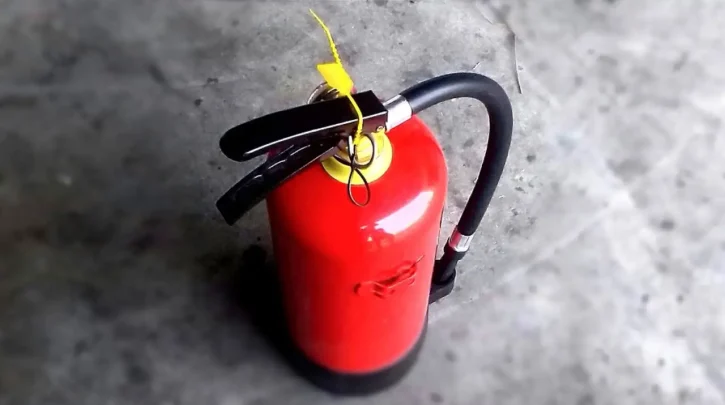
Fire safety equipment ought to be serviced frequently to guarantee that all are in order when there is an emergency. Fire extinguishers, smoke sensors, sprinklers and fire blankets shall be routinely inspected to identify wear and tear, expired equipment, or faulty equipment. Equipment loss through failure to maintain them puts employees, customers and property in danger. Additionally, companies may face fines or penalties when they fail to adhere to fire safety regulations and, therefore, regular maintenance is a legal and direct safety measure.
Also Read: The Role of 3D Animation in Pre-Surgery Consultations
Routine maintenance does not necessarily have to be expensive. Routine tasks, such as regular check-ups and battery changes or replacing parts on time are enough to stop the largest issues. Early detection of minor problems saves the costs of costly repair or emergency replacement. It is important to have a timetable in which such checks are conducted to ensure that fire safety equipment is in place, which will provide a safe environment without unnecessary pressure on the company budget.
Developing an Affordable Maintenance Strategy
This is important because a structured maintenance plan will help control costs and maintain equipment in good condition. Businesses can begin by ranking things of the first importance according to the risk level and usage. The more sensitive areas like kitchens, electrical rooms, or storage facilities with flammable materials should be attended to more frequently, whilst the less risky ones should be subject to a lighter schedule. Strategic allocation of resources can help companies maximize safety and reduce unnecessary spending.
The introduction of a cost-effective plan also means considering the life of every piece of equipment. A lot of fire extinguishers and smoke detectors have suggested replacement intervals. By tracking these dates and scheduling the purchases ahead of time, businesses can use bulk purchase offers or seller deals. Also, keeping a record of inspections and repairs will assist in recognizing certain problems that keep on happening and streamline the maintenance process so that it is economical.
Using Internal Expertise
By employing in-house personnel in doing simple inspections and maintenance, businesses can save on maintenance expenses. Employees may be trained to conduct visual inspection of fire extinguishers, a fire blanket and smoke detectors and to check that emergency exits and sprinkler systems are clear. This will limit the use of outside contractors to perform simple tasks and professional services can be employed in more technical or challenging jobs.
Training employees is also cost-effective because it raises awareness about fire safety within the organization. When workers know how to handle, as well as how to store the equipment, chances of damaging them accidentally or misusing them are reduced. The proactive culture built through regular in-house inspections and staff education helps to maintain cost control and safety.
Collaboration with Trustworthy Service Providers
When it comes to special services, it can be efficient and cost-effective to collaborate with well-known service providers. Fire safety equipment is noted by professional companies during inspection, testing and certification. Businesses can often get lower rates and predictable costs by negotiating service contracts or scheduling regular maintenance instead of making visits on an ad hoc basis.
An efficient service provider also comes with experience that can avoid expensive errors. They are able to recommend equipment upgrades, adherence to emerging regulations and effective replacement policies. Although professional services may be required, they can be managed and kept under control through careful selection and planning, and all fire safety equipment should be maintained in excellent condition.
Using Technology to achieve Cost-Efficiency.
New technology makes it possible to optimize maintenance operations and save costs. Online surveillance software enables companies to track dates of inspections, maintenance records, and equipment condition in real time. Automated reminders will eliminate the possibility of missed inspections and ensure that apparatus like fire extinguishers and fire blankets are inspected in time. This minimizes the possibility of expensive emergency compensations or sanctions.
Technology can be expensive to invest in, but the expense can be compensated by long-term savings. Through clean records and streamlined maintenance, companies are able to save on unnecessary expenses. There is also data-driven decision making based on technology when repairing, replacing, or upgrading equipment, which will help stretch the budget, but still provide a high level of fire safety.
Selection of Long-Lasting and Economical Equipment.
By choosing the right and long lasting fire safety equipment initially, maintenance costs are minimized over time. Quality fire extinguishers, fire blankets, smoke detectors, and sprinkler systems are less likely to need repairs, and more likely to be less prone to malfunction. Companies need to look at total cost of ownership instead of only the purchase cost because cheaper equipment can result in increased maintenance costs in the long run.
An assessment of product reviews, manufacturer warranties and adherence to safety standards can help businesses find equipment that offers the best balance between cost and reliability. A little higher expenditure at the initial stage investing in durable equipment might help to save high costs of maintenance on the same equipment greatly without imposing any economic burden.
Enhancement of Routine Staff Consciousness
One of the most important parts of keeping fire safety equipment in proper operational positions is employee awareness. When employees learn how to use and manage the fire extinguishers, smoke sensors and fire blankets, accidents and misuse are reduced to minimal. Simple reminders can be included in the awareness programs concerning storage, usage, and reporting malfunctions.
Along with avoiding damage to equipment, frequent interaction with employees helps to strengthen a safety culture. Vigilant staff will be able to spot potential hazards at an earlier stage which will minimise emergency interventions. This proactive practice will help achieve a safer work environment, as well as a more affordable maintenance budget.
Observation and the Regulation of the Maintenance
Periodic inspection and changes in maintenance procedures can assist companies to stay productive and cost effective. The inspection timetable, equipment, and repairs can be reviewed periodically, and enable companies to identify areas in which resources are either overused or underserved. Upon the adjustment of practices through data, efforts become targeted where they are required.
It is also possible to implement new cost-saving measures by means of continuous evaluation. Companies have the opportunity to find alternative suppliers, renew their maintenance cycle or replace obsolete equipment with more effective options. Organizations need to be flexible and responsive to ensure they achieve the best levels of fire safety without going beyond the budget.
Also Read: How to Use CRM to Coach Junior Advisors More Effectively
It is possible to keep fire safety equipment in place without going bankrupt due to planning, wise decision-making, and involvement of employees. Businesses can maintain equipment like fire extinguishers and fire blankets in good conditions to reduce costs by learning the role of routine maintenance, developing a strategic plan, capitalizing on internal knowledge, and using technology.
Choosing robust equipment, promoting awareness and constantly observing practices is the key to ensuring that the focus on safety does not put unnecessary financial pressure on the budget. By doing these, companies will be able to safeguard their citizens and resources without incurring financial liability.