


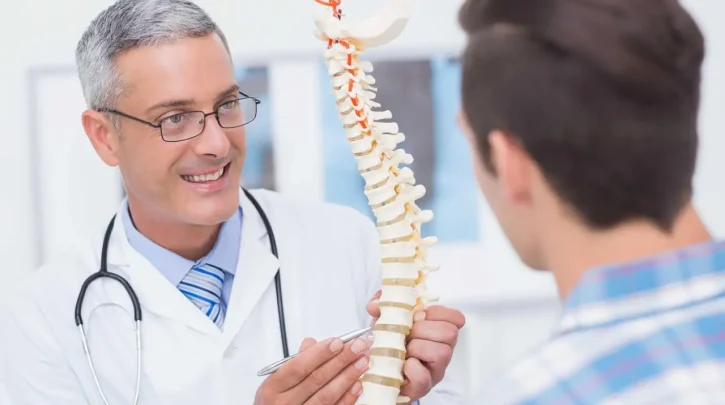
Consultations prior to surgery are a valuable element of the healthcare cycle, where both the patient and medical practitioner are able to address the procedure, potential risks, and potential outcomes. Traditional methods of describing complex surgeries tend to rely on diagrams, verbal descriptions and two-dimensional images that may not reflect all the complexity of a surgery.
To this end, 3D medical animation has entered the scene as a powerful tool to bridge the gap in knowledge between the patient and the medical. Medical animation enhances communication and helps patients feel better informed and confident before surgery by providing them with graphic and illustrative images of surgical operation.
Also Read: How to Use CRM to Coach Junior Advisors More Effectively
The role of medical animation in contemporary healthcare has grown more significant because, with the advent of technology, more interactive visualizations and realistic ones are possible. The fact that it can show internal structures, surgical instruments, and steps of the procedure helps patients to understand what to expect during surgery. In addition to education, these animations enhance patient trust and participation, alleviate anxiety and make the consultation process more productive.
The use of 3D animation in pre-surgery consultations is therefore mult-dimensional and includes; education, reassurance, and enhancement of communication between health care professionals and their patients.
Improving Patient Awareness
Among the main advantages of 3D, medical animation, during pre-surgery consultation, there is an increase in the level of understanding by the patient. Sophisticated medical procedures are usually characterized by complicated structures of the human body and procedures that can hardly be described using words. Three-dimensional animation enables the patients to view every step of the surgery in a clear and sequential order. By witnessing the interactions between organs, tissues, and surgical instruments during a procedure, patients are better able to understand what to expect, which can go a long way towards eliminating confusion and uncertainty.
Better understanding will also result in better decision-making. Educated patients better prepare to pose pertinent questions and communicate with their caregivers about possible risks or options available. Medical animation makes this kind of conversation easier by offering a common visual point of reference so that doctors and patients can talk more efficiently. Consequently, patients tend to take pre-surgery advice seriously and feel confident about agreeing to undergo their surgery, thus leading to better surgical outcomes.
Reducing Patient Anxiety
The problem with pre-surgery consultations is that they are quite stressful because patients get scared of the unknowns of the surgery. 3D medical animation can solve this problem by giving a realistic preview of what the surgery will be like. Fear and uncertainty can be minimized in patients because they are able to know what to expect as a result of seeing the process of the procedure in a step-by-step, easy to digest format. Watching a surgery live allows a patient to familiarize himself with the process without any inconvenience and harm.
The medical animation also helps the healthcare team to eliminate anxiety. When patients are calm, educated and need fewer repetitive explanations and clarifications, they have a higher chance of having a smoother consultation. This efficiency not only saves time between medical professionals, but also leads to a more positive patient experience. By demonstrating surgical procedures to their patients in a simple, comprehensible fashion (using 3D animation), healthcare professionals can help the patient feel empowered and safe prior to the surgery.
Improving Communication Between Doctors and Patients
Communication is vital in the pre-surgery consultation, but jargon and difficult concepts may be impeding the process. 3D medical animation is a solution because it can help translate the technical data into visual and intuitive data. Animation may be utilized by doctors to show certain techniques, how surgical instruments are used, and what complications may arise. These aspects can then be visualized by patients and this facilitates meaningful conversation and leads to deeper understanding.
Consultations can also be more personalized through animations. Physicians are able to point out areas of a procedure that are relevant to a specific condition of a patient, which makes it a more personal experience. Such a personalized style promotes greater involvement of the patient and engagement in the consultation. Through enhanced communication, not only does 3D medical animation help educate patients, the doctor-patient relationship is also improved as patients feel heard, informed, and included in decisions concerning their care.
Supporting Informed Consent
Informed consent is a very important part of the process before a surgery and patients should be properly informed about the risks, benefits, and alternatives of a procedure. In this regard, medical animation is important as it provides information in a convenient and visual form. The ability to visualize the realistic image of the procedure will increase the likelihood of patient understanding of its implications, which aligns with ethical and legally acceptable consent practice.
In addition to increasing comprehension, 3D medical animation can also help the patient retain information. As it has been discovered, most of the time the visual learning will lead to a higher recollection, or the patients will become more willing to remember essential facts regarding their operation.
Also Read: How to Use a Super Visa as a Bridge to Family Sponsorship
This holding gives the patients the confidence that they will make a wise decision regarding their treatment and also reduces the occurrences of misinformation or surprises during the surgical process. Informed consent with medical animation aids in making healthcare safer and more transparent.
It has now been seen that medical animation in 3D forms an important part of the pre-surgery consultation process and has numerous benefits to the patient as well as the healthcare provider. It makes the process of learning much easier since the patients see the complex operations visually, reduces anxiety as they are given a clear preview of the operation and there is also improved communication between the doctors and the patients.
The informed consent can also be done through medical animation to make the important information easier to remember and accessible. With these tools, healthcare businesses can provide more patient-centered and effective care and ensure that patients feel confident and informed during the process by utilizing them during pre-surgery consultations.