


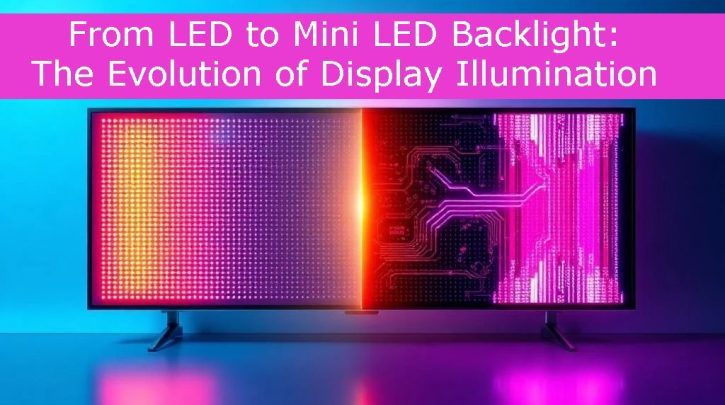
Display tech has absolutely blown up in the last twenty years. It’s wild. And you wanna know what’s low-key responsible for a lot of that? Backlighting. No joke, whatever you’re staring at, whether it’s your phone, your TV, that overpriced gaming monitor, or your old laptop, the light shining from behind the screen is kind of a big deal.
Also Read: 5 Creative AI Product Photo Ideas to Make Your Ads Go Viral
It totally messes with how bright everything looks, how deep the blacks are, and just how tasty the picture is overall. Out of all the cool upgrades, the jump from basic LED backlights to these mini led computer monitor setups? Legit game-changer. Like, we’re talking night and day kind of difference.
What is LED Backlighting?
LED backlighting is just a fancy way of saying they stick a bunch of tiny lights, LEDs, obviously, either behind or around the edges of your screen to make it, well, not a black rectangle. Remember those old-school TVs with their weird, washed-out glow? That’s because they used these bulky CCFL tubes.
LEDs came along, kicked those out, and suddenly screens looked brighter, colors popped, and your electricity bill cried a little less. Depending on how they set it up, you’ll get either edge lighting or full-array, with zones spread out behind the whole panel. Full-array is basically the VIP section for backlights.
The Function of Backlight in LCD Technology
Without a backlight, an LCD would be as useful as sunglasses at midnight. The screen itself doesn’t glow on its own; it just bosses around the light behind it, telling it where to go and what color to be. So, the backlight does all the heavy lifting: shining through the liquid crystals and filters to make stuff actually show up.
If the backlight’s slacking, your picture looks dull and lifeless. Think of it like stage lighting, nobody’s watching the spotlight, but without it, the show’s a snooze.
The Limitations of Traditional LED Backlighting
Here are the factors that bring limitations to traditional LED backlighting:
1. Weak Sauce Contrast
Honestly, if you want those inky blacks and moody shadows, standard LED just can’t deliver. Since the backlight never totally shuts off in tiny chunks of the screen, your dark scenes end up looking kinda washed out, think gray soup, not deep space. So, all those epic movie nights? Not as epic as you hoped.
2. The Dreaded Blooming
Nothing kills the vibe like blooming. You know that weird glow around bright stuff when it’s sitting next to something dark? Like subtitles floating in a night scene, or stars in the sky, suddenly there’s this fuzzy halo that just shouts, “Hey, look at me, I’m a backlighting flaw!” Not cool.
3. Patchy Brightness, Like, Why?
Edge-lit LEDs, especially on big screens, are notorious for being all over the place. The middle might look dull, corners get these weird hotspots, and the whole thing just feels…off. Super annoying if you care about consistent visuals, gamers, and designers, I’m looking at you.
4. Limited HDR Performance
Sure, LED tech slaps an HDR sticker on the box, but it’s not blowing anyone’s mind. Big screens struggle to juggle crazy bright highlights and deep, detailed shadows at the same time. So yeah, your HDR movies and games? They’re not quite living up to the marketing hype.
5. Power Hogs on Big Screens
The bigger the screen, the hungrier it gets. Traditional LED backlights need a ton of juice to stay bright, which means more heat and less efficiency. Not exactly ideal if you want a super-thin TV or a laptop that doesn’t fry your thighs or drain in an hour.
The Rise of Mini LED Backlight
Mini LED is like LED on steroids. We’re talking thousands of tiny LEDs jammed into the panel, way smaller than the old kind. This means way more control, think laser precision, over what’s bright and what’s not. Basically, it’s a major step up without having to go full OLED.
1. Black Levels Actually Worth Bragging About
With all those little LEDs, you get a ton of local dimming zones. The screen can crank up the brightness in one spot and go pitch black right next to it. Result? Shadows that actually look like shadows, not just a sad, foggy gray.
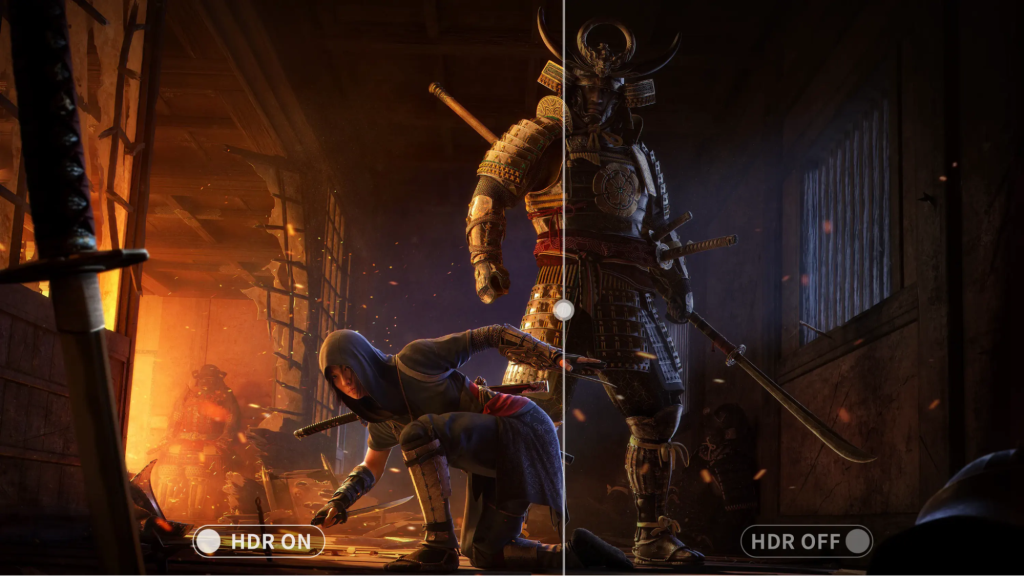
2. HDR That Finally Pops
Mini LED can get crazy bright and still keep the details in the dark bits. Highlights that jump off the screen, shadows that aren’t just a black blob, movies, games, whatever, just look way more wow. Kind of getting close with OLED monitor territory here, but with even more brightness.
3. Even-Steven Brightness
No more random bright corners or dull patches in the middle. All those mini LEDs mean the whole screen stays evenly lit, no matter where you’re sitting. Colors look right, brightness stays on point, way better for chilling with friends or working on that photo edit.
4. Energy Saver + Slim Fit
Here’s the kicker: even with all those extra LEDs, Mini LED setups are actually pretty efficient. With less power, less heat, device makers can keep things slim and light. So, you get killer visuals and a battery life that won’t make you cry, perfect for everything from monster TVs to sleek laptops.
5. Sticks Around Forever
Mini LEDs are built tough, seriously, these little guys just don’t quit. Thanks to their tiny size and some pretty slick engineering, they outlast old-school LEDs by miles. Less breakdown, more brightness. You get a display that keeps looking fresh, even after years of binge-watching, doomscrolling, or whatever else you throw at it.
6. Basically Everywhere Now
Mini LED tech is popping up all over the place. Fancy TVs? Check. Gaming external monitor? Yup. That laptop your cousin brags about? Probably in there, too. It’s like the cool kid everyone wants at their party, since it nails that sweet spot between killer visuals, low power use, and sleek design. Whether you’re crushing spreadsheets or just watching cat videos, Mini LEDs have you covered.
Closing Statement
Long story short, LED backlighting was a game-changer, but now we’ve got Mini LED, and, no joke, it’s wild. Better contrast, way punchier brightness, and you can actually tell the difference, even if you’re just binging Netflix or getting destroyed in Call of Duty. If you care about visuals at all, Mini LED is where it’s at. The future looks stupidly good.