

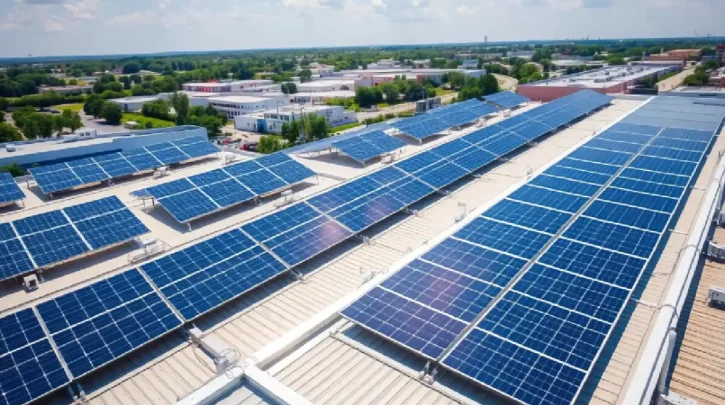
The industrial landscape is experiencing a profound transformation as businesses increasingly recognize the strategic advantages of renewable energy adoption. With rising electricity costs, environmental regulations tightening, and corporate sustainability becoming a competitive differentiator, industrial solar panels are a pathway to operational resilience and long-term profitability.
However, transitioning to industrial solar requires careful planning and consideration of multiple factors that can significantly impact your investment’s success. Understanding these critical elements before making the switch will ensure your business maximizes both financial returns and operational benefits from this transformative technology.
1. Achieving Energy Independence
The primary motivation driving many businesses toward industrial solar installations is the pursuit of energy independence, fundamentally reducing reliance on traditional grid infrastructure. These offer unprecedented control over your facility’s power supply, insulating your operations from volatile utility rates and potential grid disruptions. When properly designed, industrial solar systems can generate sufficient electricity to meet substantial portions of your facility’s energy demands during peak production hours, with advanced battery storage systems extending this independence into evening operations.
The concept of energy independence also encompasses operational security and predictability. Grid-tied systems remain vulnerable to power outages, rate fluctuations, and infrastructure failures that can halt production and damage sensitive equipment. Solar energy systems with battery backup capabilities create a buffer against these uncertainties, ensuring continuous operations even during grid instabilities.
Furthermore, many industrial facilities discover that achieving partial energy independence through solar dramatically reduces their peak demand charges, which often constitute the largest portion of commercial electricity bills. The strategic timing of solar energy generation typically aligns well with industrial operations, as peak solar production coincides with daytime manufacturing schedules when energy consumption is highest.
Designing and implementing these systems effectively require expertise. Companies serious about achieving true energy independence should partner with experienced professionals specializing in commercial solar installations to ensure optimal performance and maximum return on investment.
2. Financial Analysis and Return on Investment Calculations
The financial implications of switching to industrial solar panels require comprehensive analysis.
Initial capital investment for industrial solar installations typically ranges from hundreds of thousands to millions of dollars, depending on system size and complexity. However, sophisticated financial modeling reveals that these systems often deliver compelling returns through multiple revenue streams including power costs avoidance, tax incentives, depreciation benefits, and potential revenue from excess energy sales back to the grid.
Federal and state incentive programs significantly impact the financial equation, with the Federal tax credit allowing businesses to deduct 30% of solar installation costs from federal taxes. Additionally, accelerated depreciation schedules enable businesses to write off substantial portions of their solar investment within the first few years of operation. Many states offer additional rebates, performance-based incentives, and net metering programs that further enhance financial returns.
The key lies in understanding how these various incentives interact and timing the installation to maximize their combined benefit. Financial analysis should also consider electricity rate escalation trends, as utility costs typically increase annually while solar production costs remain fixed, creating increasingly favorable economics over the system’s operational life.
3. Site Assessment and Infrastructure Requirements
Industrial facilities often present unique opportunities and challenges for solar installations, with large roof areas and open land providing excellent installation potential while complex electrical systems and structural considerations requiring careful evaluation. Roof condition, age, and load-bearing capacity must be assessed to ensure they can support solar panel installations, which typically add several pounds per square foot of additional weight.
The electrical infrastructure assessment proves equally critical, as industrial solar systems require integration with existing electrical systems, transformers, and distribution equipment. Many industrial facilities operate at higher voltages than residential or small commercial installations, necessitating specialized inverters and electrical components designed for industrial applications.
Ground-mounted systems offer alternatives when roof installations prove impractical, though they require adequate land area and may face zoning or setback restrictions.
Professional site assessment should also evaluate shading patterns throughout the year, as even partial shading can significantly impact system performance. Environmental factors including wind loads, seismic considerations, and local weather patterns influence both system design and long-term durability requirements.
4. Regulatory Compliance and Permitting
Building permits, electrical permits, and utility interconnection agreements represent the fundamental regulatory requirements, though industrial facilities often face additional scrutiny due to their size and complexity. Local zoning ordinances may restrict solar installations in certain industrial zones or require specific setbacks and height limitations that influence system design options.
Utility interconnection processes for large-scale industrial solar installations typically involve extensive engineering reviews and may require system modifications or utility infrastructure upgrades. Meanwhile, net metering policies vary significantly by location and utility company, with some areas imposing caps on system size or limiting the credit rates for excess energy production.
Moreover, environmental reviews may be required for ground-mounted systems, particularly those exceeding certain size thresholds or located in environmentally sensitive areas.
Working with experienced solar developers who understand local regulatory requirements proves essential for managing these complex approval processes and avoiding costly delays or modifications.
5. Technology Selection and System Design Optimization
The technology choices made during industrial solar system design significantly impact long-term performance, maintenance requirements, and financial returns.
Solar modules selection involves balancing efficiency, durability, and cost considerations, with industrial applications often favoring robust panels designed for harsh environmental conditions over maximum efficiency ratings. Inverter technology selection is equally important, with string inverters, power optimizers, and microinverters each offering distinct advantages depending on installation conditions and monitoring requirements.
Advanced monitoring systems enable real-time performance tracking and predictive maintenance capabilities that maximize system uptime and energy production. Industrial facilities benefit from sophisticated monitoring that integrates with existing facility management systems and provides detailed production analytics.
It’s important that system design optimization considers future expansion possibilities, as many industrial facilities experience growth that increases energy consumption over time. Modular system designs allow for capacity additions without major infrastructure modifications, providing flexibility to match energy production with evolving facility needs.
6. Maintenance, Operations, and Long-Term Performance Management
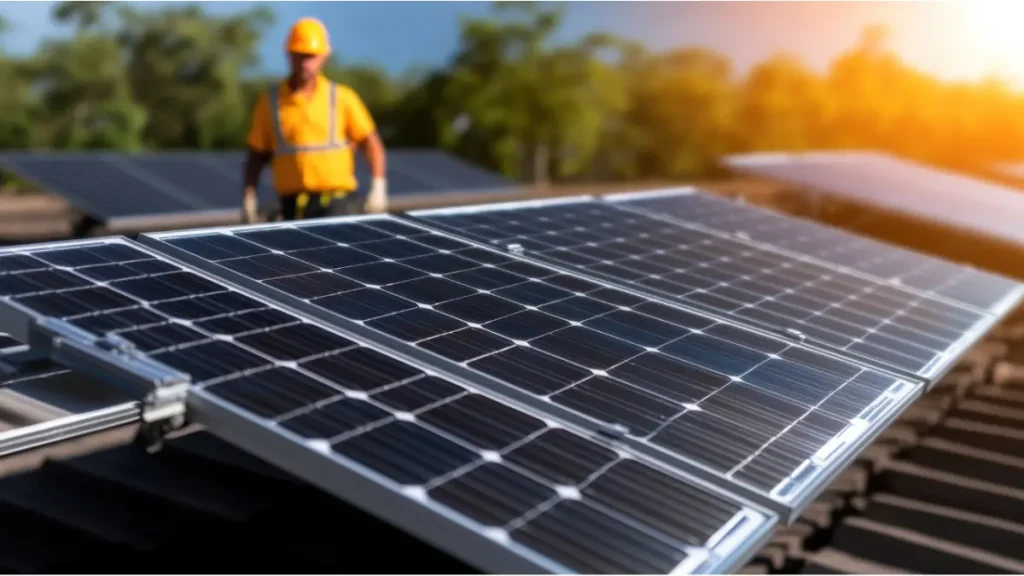
Industrial solar installations require comprehensive maintenance strategies to ensure optimal performance throughout their operational lifetime.
Unlike residential systems, industrial installations face more demanding environmental conditions and require professional maintenance programs that address both preventive and corrective maintenance needs. Regular cleaning, electrical connection inspections, and performance monitoring prevent minor issues from developing into costly repairs or significant production losses.
Establishing maintenance partnerships with qualified service providers ensures access to specialized expertise and replacement parts when needed. Many industrial solar installations benefit from comprehensive operations and maintenance contracts that provide predictable annual costs and guaranteed performance levels. Performance monitoring systems should include automated alerting capabilities that notify facility managers of potential issues before they impact energy production.
Long-term performance management also involves planning for eventual component replacements, particularly inverters which typically require replacement after ten to fifteen years of operation.
Conclusion
The transition to industrial solar panels represents a strategic investment that extends far beyond simple cost reduction, offering pathways to energy independence, operational resilience, and competitive advantage. Success requires careful consideration of financial implications, site-specific requirements, regulatory compliance, technology selection, and long-term operational planning. Businesses that approach this transition with comprehensive analysis and professional guidance position themselves to realize substantial benefits including reduced energy costs, enhanced sustainability credentials, and protection against future utility rate increases.
As solar technology continues advancing and costs decline, the compelling economics of industrial solar installations make them increasingly attractive for forward-thinking businesses seeking to optimize their energy strategies, reduce their carbon footprint, and secure their operational future.