


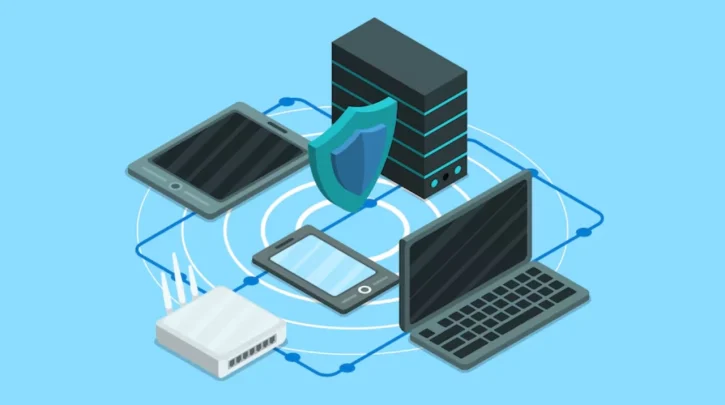
Cybersecurity today is a moving target. Threat actors evolve constantly, new vulnerabilities are uncovered every week, and businesses are under pressure to defend not just their internal networks but also their cloud environments and remote users. Firewalls remain at the core of these defenses, but the expectations around what a firewall must deliver have shifted dramatically.
Also Read: How to Set Up and Test a Mobile-Friendly Layout Using a Website Builder
Resellers sit at the heart of this conversation. They’re often the first port of call for businesses looking for advice, guidance, and a trusted hand to recommend the right tools. When clients ask for a “bulletproof firewall,” resellers know that no technology can be truly impenetrable—but they also understand how to build solutions that are as close to resilient, adaptive, and reliable as possible. This blog takes a deep dive into what resellers keep in their toolkit, the features they insist on, and the long-term value they recommend to clients.
Defining “Bulletproof” in Firewall Terms
The word “bulletproof” is more about reassurance than technical accuracy, but it reflects what organizations are really asking for: a firewall they can rely on.
Resellers typically define this in terms of five pillars:
- Reliability – Hardware and software that work without constant failures, downtime, or unexplained glitches.
- Security Depth – Multiple protective layers that address everything from malware and ransomware to advanced persistent threats.
- Scalability – Firewalls that grow with the business, preventing costly rip-and-replace scenarios.
- Ease of Use – Management consoles and reporting that don’t require a team of specialists to operate.
- Vendor Support – Strong updates, timely patches, and dependable technical help when it matters most.
When resellers use the term “bulletproof,” they mean firewalls that embody all these traits at once, not just one or two.
Essential Features Resellers Put First
A reseller’s toolkit isn’t built on flashy marketing promises. It’s built on features that deliver real-world protection. Among the essentials, the following stand out:
Intrusion Prevention and Detection
Resellers insist on firewalls with intrusion prevention systems (IPS) capable of inspecting traffic at line speed. These tools recognize suspicious patterns, block known exploits, and help reduce the risk of attackers gaining a foothold. Modern IPS goes beyond signature matching by analyzing traffic behaviors, spotting anomalies, and reacting in real time.
Application Control and Visibility
Gone are the days when blocking ports was enough. Today, applications can tunnel through common ports, making it difficult to monitor without deep inspection. Resellers recommend firewalls that identify and control applications by name, enabling businesses to block risky software, prioritize business tools, and maintain productivity.
Encrypted Traffic Inspection
Since most internet traffic is now encrypted, attackers hide malicious payloads inside SSL/TLS sessions. A firewall that can’t inspect encrypted packets leaves a huge blind spot. Resellers recommend solutions with robust decryption and inspection capabilities, ensuring threats can’t sneak through disguised as legitimate traffic.
Sandboxing and Advanced Threat Protection
Bulletproof firewalls go beyond static analysis. By detonating suspicious files in a sandbox environment, they can analyze how unknown files behave before allowing them through. Resellers value this feature because it gives organizations protection against zero-day threats that slip past traditional defenses.
Automated Threat Intelligence
Cybercrime moves fast. Resellers place high importance on firewalls that are constantly updated through global threat intelligence feeds. Automated updates ensure businesses are protected against newly discovered vulnerabilities without manual intervention.
The Role of Scalability in Bulletproofing
A firewall that works perfectly for 50 employees may fail miserably when the business grows to 500. Resellers consider scalability to be a non-negotiable part of the toolkit.
Scalability includes:
- Performance headroom – Extra processing power to handle growing bandwidth demands.
- High availability – Redundant pairs configured in active-active or active-passive modes to guarantee uptime.
- Flexible licensing – Models that allow businesses to easily add more users or features without swapping hardware.
For resellers, scalability is about futureproofing. They aim to protect clients from unnecessary expenses while ensuring the firewall remains a reliable backbone of security.
Management, Usability, and Centralized Control
Resellers often hear clients complain about the complexity of managing security tools. Even the most advanced firewall loses value if administrators can’t use it effectively.
That’s why centralized management and intuitive interfaces are always part of a reseller’s recommendation. Key elements include:
- Unified dashboards – To monitor traffic, threats, and alerts in real time.
- Policy templates – That allow consistent enforcement across multiple sites or devices.
- Role-based access – To ensure administrators only have the permissions they need.
- Automated alerts – To speed up incident response.
A firewall with strong usability reduces human error, which is often the weak point in any security strategy.
Integration with Cloud and Remote Environments
With cloud adoption and hybrid working now standard, firewalls must secure more than just the office perimeter. Resellers stress that firewalls should offer:
- Virtual instances for cloud platforms, delivering the same protection as physical appliances.
- Secure VPNs and zero-trust models for remote users.
- Consistent policy enforcement across physical, virtual, and cloud-based environments.
This integration ensures that security policies aren’t fragmented. It gives businesses peace of mind that no matter where employees are connecting from, protection remains strong and consistent.
Vendor Reliability and Ongoing Support
A bulletproof firewall depends on more than its initial purchase. Resellers weigh vendor reliability heavily when deciding what to recommend. This includes:
- Speed of patching – Vendors who respond quickly to new vulnerabilities inspire confidence.
- Quality support channels – Access to responsive help desks, escalation paths, and expert knowledge.
- Training and certifications – Resources that enable IT teams to develop confidence in using the product.
For many resellers, a vendor’s reputation and history of performance matter as much as the technical specs of the firewall itself.
Balancing Security with Value
Resellers understand that clients operate on budgets. While they want the highest level of protection, they also need to justify the cost. That’s why value is always part of the toolkit.
Resellers look for firewalls that provide bundled services such as antivirus, content filtering, and anti-spam without charging excessive premiums. Subscription models that align with business size, from small startups to large enterprises, are another major factor.
By recommending solutions that deliver both strong protection and reasonable pricing, resellers build trust and long-lasting relationships.
Beyond Technology: Training and Awareness
Even the most advanced firewall can’t guarantee safety if employees fall victim to phishing emails or weak passwords. Resellers frequently remind clients that the human element must be part of the defense.
This means:
- Training administrators to make the most of firewall features.
- Running user awareness campaigns on cyber hygiene.
- Conducting periodic penetration tests to confirm the firewall’s effectiveness.
Resellers know that bulletproofing isn’t just about technology, but about embedding security into the culture of the organization.
Building Long-Term Client Relationships
Firewalls aren’t static purchases; they evolve with technology and threat landscapes. Resellers focus on building long-term partnerships, offering ongoing consultation, managed services, and proactive upgrades.
By doing so, they transform from suppliers into trusted advisors. Clients return for advice, renew contracts with confidence, and lean on resellers when facing new challenges. Trusted platforms like sonicwallonline.co.uk form part of this relationship, providing a foundation of reliable and scalable firewall solutions that resellers can confidently recommend.
Looking Toward the Future
Resellers are also preparing their toolkits for the future of firewall technology. Trends shaping the years ahead include:
- AI-driven detection that anticipates threats based on behavior, not signatures.
- Zero-trust architecture where access is continuously verified, not granted permanently.
- SASE (Secure Access Service Edge) models that blend firewall protection with secure cloud networking.
- Greater automation to reduce the burden on IT teams and eliminate human error.
These trends will redefine what “bulletproof” means, pushing firewalls beyond their traditional role and embedding them more deeply into holistic cybersecurity strategies.
Conclusion
Resellers understand that a bulletproof firewall isn’t just a product; it’s a combination of features, usability, scalability, vendor trust, and human expertise. By carefully selecting solutions that deliver layered protection, seamless integration, and long-term value, resellers equip businesses with defenses that stand up to modern threats.
Also Read: 5 Creative AI Product Photo Ideas to Make Your Ads Go Viral
Ultimately, it’s not about a single tool, but about the entire toolkit and the trusted guidance that resellers bring to the table. In this way, businesses gain more than a firewall; they gain confidence in their security, their resilience, and their future.